Grinder buying guide: parts, materials, teeth and size
What 2, 3 and 4 piece means, aluminium vs zinc vs acrylic, tooth shapes, sizes and how to clean a grinder.
Grinders look similar on a shelf, but the number of parts, the material and the teeth make a real difference to how long they last and how easy they are to use. This guide explains what to look for, whether you are buying one for yourself or choosing a range for your shop.
2, 3 or 4 piece?
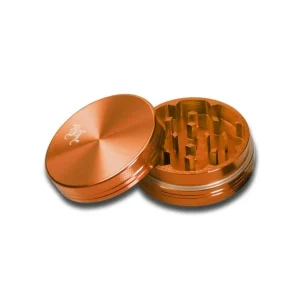
- 2 piece: a lid and a base, both with teeth. Small, simple and the easiest to clean. The ground material stays in with the teeth, so you tip it out.
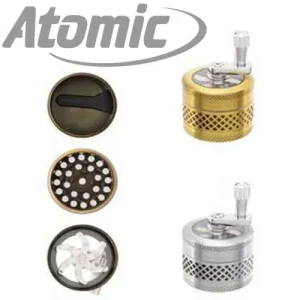
- 3 piece: adds a collection chamber under the teeth. Ground material falls through holes into the chamber, which keeps it separate from the teeth.
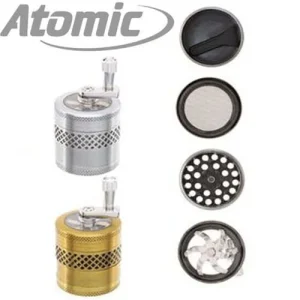
- 4 piece: adds a fine mesh screen and a bottom chamber. The screen sifts the finest particles into the bottom section. It is the most popular layout in metal grinders.
The number usually counts the sections when assembled, so a 4 part grinder has a lid, a grinding section, a collection chamber and a bottom catcher.
Materials
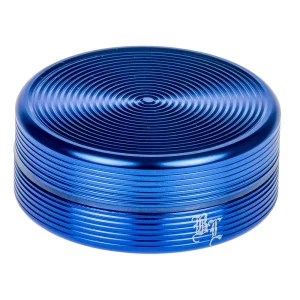
- Aluminium: light, strong and does not rust. Anodised aluminium has a coloured, hard-wearing surface. Usually the best choice for a grinder that lasts.
- Zinc alloy: heavier and cheaper than aluminium. A good mid-price option.
- Stainless steel: heavy and very hard-wearing, and easy to clean, but costs more.
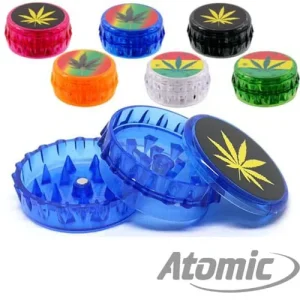
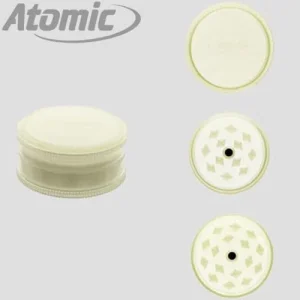
- Acrylic and plastic: cheap, light and see-through. The teeth wear faster, so they suit occasional use or as a spare.
- Wood: looks good and is quiet, but should not be soaked when cleaning.
Teeth
Most metal grinders have diamond-shaped teeth, which cut cleanly. Pyramid, peg and curved teeth are also used. Tooth shape matters less than how well it is made: sharp, well-finished teeth that line up properly turn smoothly and do not jam. Cheaper grinders often have rough edges and teeth that clash.
Size
Diameter is measured across the grinder in millimetres.
- 40 to 45mm: pocket size, small capacity.
- 50 to 55mm: the most common size, a balance of capacity and portability.
- 60mm and over: large capacity for home use.
Other features
- Magnetic lid: stops the lid coming off in a bag.
- Grip: knurled or textured sides are easier to turn.
- Threads: smooth threads on each chamber mean the grinder opens easily even after use.
- Scraper: many grinders come with a small scraper for the bottom chamber.
How to clean a grinder
- Take the grinder apart and brush out loose material with a dry brush.
- For metal grinders, soak the parts in isopropyl alcohol for about 20 to 30 minutes, then brush the teeth and screen.
- Rinse with warm water and dry each part completely before putting it back together.
- Do not soak wooden grinders. Brush them dry. For acrylic, use warm soapy water rather than alcohol, as alcohol can cloud acrylic.
Freezing a metal grinder for a short time can make sticky residue brittle and easier to brush off.
For shops: a three-price range
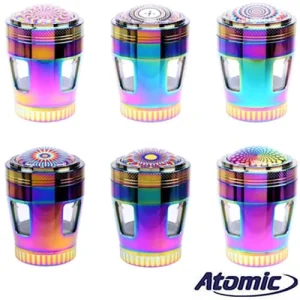
A simple grinder range covers three price points: acrylic for impulse buys, zinc for most customers, and branded aluminium for people who want one to last. Brands like Champ High and Alien are worth comparing. Many grinders are sold in display boxes, which makes it easy to show several colours on the counter.
Browse all grinders, or see storage to sell alongside them.
Written by the team at STR Smoke Wholesale, STR Trading B.V.. Last checked 28 November 2026.